
Sound Healing for Sleep: Can It Help with Insomnia and Anxiety?
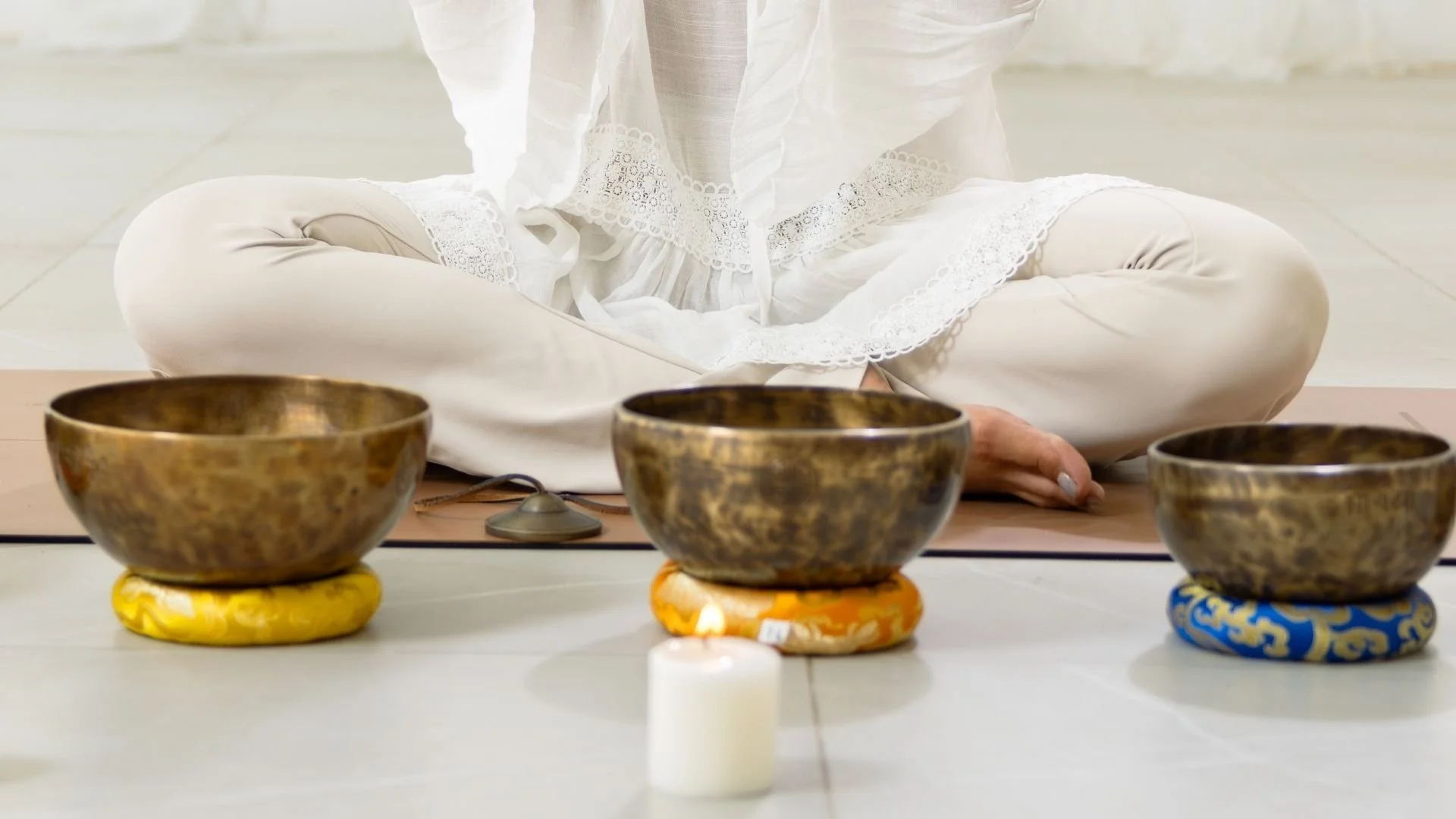
If you’ve been struggling to fall asleep, calm your mind, or manage daily stress, you may have come across practices like sound baths, binaural beats, or singing bowls and wondered: Can sound healing help with anxiety and sleep?
As a holistic wellness practitioner, I see this question often — especially from individuals whose nervous systems feel stuck in a constant state of activation. Many people are not just “stressed,” they are physiologically dysregulated, which makes both sleep and relaxation difficult.
There is also growing clinical interest in how sound-based practices affect the body. Emerging research has shown that sound healing interventions may lead to measurable reductions in anxiety, stress, and negative emotional states, even when delivered virtually, which was important during the recent pandemic (source). This suggests that sound may influence both psychological and physiological regulation in meaningful ways.
Sound healing offers a gentle, non-invasive way to support the body in slowing down — not by forcing relaxation, but by creating the conditions where the nervous system can begin to settle naturally.
Introduction to Sound Healing
Sound healing, often referred to as sound therapy, is a holistic approach that uses specific tones, frequencies, and vibrations to encourage healing and deep relaxation. This practice has ancient origins, with many cultures using sound as a way to restore balance and promote wellbeing. Today, sound therapy is gaining renewed attention for its ability to reduce anxiety, lower blood pressure, and support mental health.
By harnessing the power of sound waves, sound therapy can have a significant impact on brain activity. When exposed to certain frequencies, the brain and body respond by shifting into a more relaxed state, which can help reduce stress and improve sleep quality. The vibrations created by sound therapy are believed to help the body release tension, calm the mind, and support overall health. Whether you’re seeking to ease anxiety, improve sleep, or simply relax, sound healing offers a gentle, non-invasive way to support your wellbeing.
Types of Sound Therapy
There are several different types of sound therapy, each offering unique benefits for relaxation, stress reduction, and mental health. One popular method is binaural beats, which involves listening to two different frequencies—one in each ear. The brain perceives a third, subtle beat created by the difference between the two tones, which can help induce relaxation and alter brainwave activity.
Sound baths are another immersive form of sound therapy, where instruments like gongs, singing bowls, and chimes fill the space with soothing vibrations. These sessions are designed to help reduce stress and anxiety, allowing participants to relax deeply as the sound waves wash over them.
Music therapy is also widely used, involving either listening to or creating music. This approach can have a significant impact on mood and mental health, helping to reduce anxiety and promote emotional wellbeing. Whether you prefer the structured tones of binaural beats, the enveloping experience of a sound bath, or the familiar comfort of music, sound therapy offers a variety of ways to support your health and relaxation.
How Sound Healing Supports Sleep and Anxiety
At its core, sound healing for sleep and anxiety works by helping the nervous system shift out of a stress response and into a more regulated state. Low-frequency sounds can help synchronize heart rate and breathing, leading to physical relaxation. Through this process, sound healing can help individuals achieve a sense of calm and inner balance, making sleep and relaxation more accessible.
When we are anxious or overwhelmed, the body is often operating in a heightened state — heart rate elevated, thoughts racing, muscles tense. In this state, sleep becomes difficult and true relaxation can feel out of reach.
Sound healing uses vibration and frequency to help the body move toward calm and safety, reducing cortisol levels and encouraging the parasympathetic nervous system to take over. Sound therapy may also help improve mood by releasing endorphins and other feel-good chemicals in the body.
This happens through:
Slowing brainwave activity
Regulating breathing patterns
Reducing sensory overload
Encouraging a parasympathetic (rest-and-restore) response
Rather than forcing the body to relax, sound creates an environment where relaxation can naturally occur. Sound therapy can also increase the production of melatonin, the hormone that regulates sleep-wake cycles (source).
Can Sound Healing Help with Anxiety?
The short answer is — it can be a powerful supportive tool.
Anxiety is not just mental; it is deeply connected to the nervous system. When the body perceives stress, it stays in a loop of activation that can feel difficult to interrupt.
Sound healing for anxiety works by:
Creating consistent, predictable sensory input
Helping the body orient toward safety
Reducing internal noise and overstimulation
Supporting emotional regulation
Many clients describe feeling:
A sense of calm during sessions
Reduced mental chatter
A deeper ability to breathe and settle
Many people personally report a unique sense of relief or calm after sound healing sessions
Because sound healing does not require talking or processing, it can be especially helpful for individuals who feel overwhelmed by traditional approaches.
What Sounds Calm Down Anxiety?
Certain types of sound are particularly effective at promoting relaxation: soothing melodies and soft tones are key elements in calming music that help reduce anxiety.
Low, Steady Frequencies
Deep, consistent tones can help slow the nervous system and reduce overstimulation. These low, steady tones often include delta frequencies, which are linked to deep relaxation and restorative sleep.
Singing Bowls
Singing bowl sleep benefits and anxiety support come from their sustained, harmonic tones that create a meditative environment. During a session, the vibrations from singing bowls can sometimes be felt in the chest, creating a deep sense of bodily awareness and enhancing the immersive experience.
Gentle Rhythmic Sounds
Repetitive, predictable sounds can signal safety to the brain. A gentle, repetitive tune can further enhance this effect, helping to support relaxation and prepare the mind for restful sleep.
Nature Sounds
Sounds like water, wind, or rain can help ground the body and reduce stress.
The key is not just the sound itself, but how the body responds to it. In a guided session, these sounds are used intentionally to support regulation.
Sound Healing for Sleep
For individuals struggling with sleep, sound healing can be a helpful addition to a nighttime routine.
Sound healing for sleep works by helping the body transition from alertness into deeper states of relaxation. Listening to a calming track or song specifically designed for sleep, such as a soothing audio track or scientifically crafted song, can further support the transition into deeper relaxation.
When the nervous system settles, the body can move toward delta sleep waves, which are associated with deep, restorative sleep.
Many people experience:
Falling asleep more easily
Staying asleep longer
Waking up feeling more rested
While results vary, the consistent use of calming sound frequencies can help retrain the body to access deeper states of rest.
Binaural Beats for Sleep and Anxiety
Another commonly used approach is binaural beats for sleep and anxiety.
Binaural beats involve playing slightly different frequencies in each ear through headphones. The brain processes the difference between these frequencies, which may influence brainwave activity.
Researchers are actively studying the effects of binaural beats on cognition and sleep, often working with patients who experience anxiety or insomnia. While there is some promising evidence suggesting benefits for cognitive functions such as memory and attention, the current research is limited. More studies are needed to determine which sound frequencies are most effective and to further establish the reliability of these findings.
Some commonly used types include:
Binaural Beats for Sleep
These often target delta sleep waves, which are associated with deep sleep.
Binaural Beats for Anxiety
These may use slower frequencies designed to promote calm and relaxation.
Binaural Beats for Relaxation
These support a general shift into a more relaxed mental state.
While binaural beats can be helpful, they are typically most effective when combined with other regulation practices or used consistently over time.
Frequency for Sleep: Why It Matters
You may also see references to specific frequencies for sleep, often described in terms of Hertz (Hz).
While the exact science is still evolving, slower frequencies are generally associated with relaxation and rest. Essentially, the purpose of using these specific frequencies is to help the body and mind transition into a restful state.
In practice, the goal is not to find one “perfect” frequency, but to create a consistent sensory environment that helps the body slow down.
In guided sound healing sessions, practitioners use a combination of frequencies and instruments to support this process naturally.
The Role of Alpha Waves
Alpha waves, which oscillate at a frequency of 8-12 Hz, are a key component in the effectiveness of sound therapy. These brainwaves are most prominent when we are relaxed, have our eyes closed, or are in a meditative state. By listening to sound waves that encourage alpha wave activity, individuals can experience a deeper sense of relaxation and a noticeable reduction in anxiety.
Research into sound therapy has shown that stimulating alpha waves can lead to improved sleep quality, reduced pain, and enhanced mood. For example, studies have found that listening to sound waves designed to boost alpha activity before bed can help those with insomnia fall asleep more easily and wake feeling refreshed. While more research is needed to fully understand all the benefits, findings suggest that alpha wave stimulation through sound therapy can have a significant impact on overall health, making it a promising tool for those seeking relief from anxiety, pain, or sleep disturbances.
Singing Bowl Sleep Benefits
Singing bowls are one of the most widely used tools in sound healing.
The singing bowl sleep benefits come from their ability to produce sustained, resonant tones that:
Encourage deep relaxation
Reduce mental activity
Support nervous system regulation
The vibration of the sound can be both heard and felt, which can help bring the body into a more grounded state.
Many clients find that incorporating singing bowl sounds into their evening routine helps signal to the body that it is time to rest.
A Trauma-Informed Perspective on Sound Healing
From a trauma-informed perspective, one of the most important aspects of sound healing is safety.
For individuals with chronic stress or trauma history, the nervous system may have difficulty settling — even in quiet environments.
Sound healing offers a structured, predictable experience that can help the body gradually learn how to relax again. The perceived sense of safety during sound healing sessions is crucial, especially for those with trauma histories, as it allows individuals to feel secure enough to benefit from the practice.
Rather than overwhelming the system, sessions are designed to:
Be gentle and paced
Support regulation before deep relaxation
Create a sense of stability in the body
This is what makes sound healing such a powerful complement to other forms of healing work.
Sound Healing in Eden Prairie, MN
If you’re exploring sound healing for sleep or anxiety in Eden Prairie, working with a trained practitioner can help you experience these benefits in a supportive environment.
At High Vibrations Healing MN, sound healing sessions are offered as part of a trauma-informed approach to nervous system regulation. Each session is designed to help you slow down, settle your body and reconnect with a more grounded state.
Regular sound healing sessions can contribute to an improved quality of life by supporting better sleep and reduced anxiety.
Final Thoughts: Is Sound Healing Right for You?
If you’ve been searching for ways to improve sleep, sound healing may be a supportive place to start.
It does not require effort, analysis, or prior experience — only a willingness to slow down and allow your body to respond. For many people, sound healing becomes a consistent tool for managing stress, improving sleep, and supporting long-term nervous system health.
